
Attic Roof Inspection: What Your Ceiling Can Tell You About Your Roof
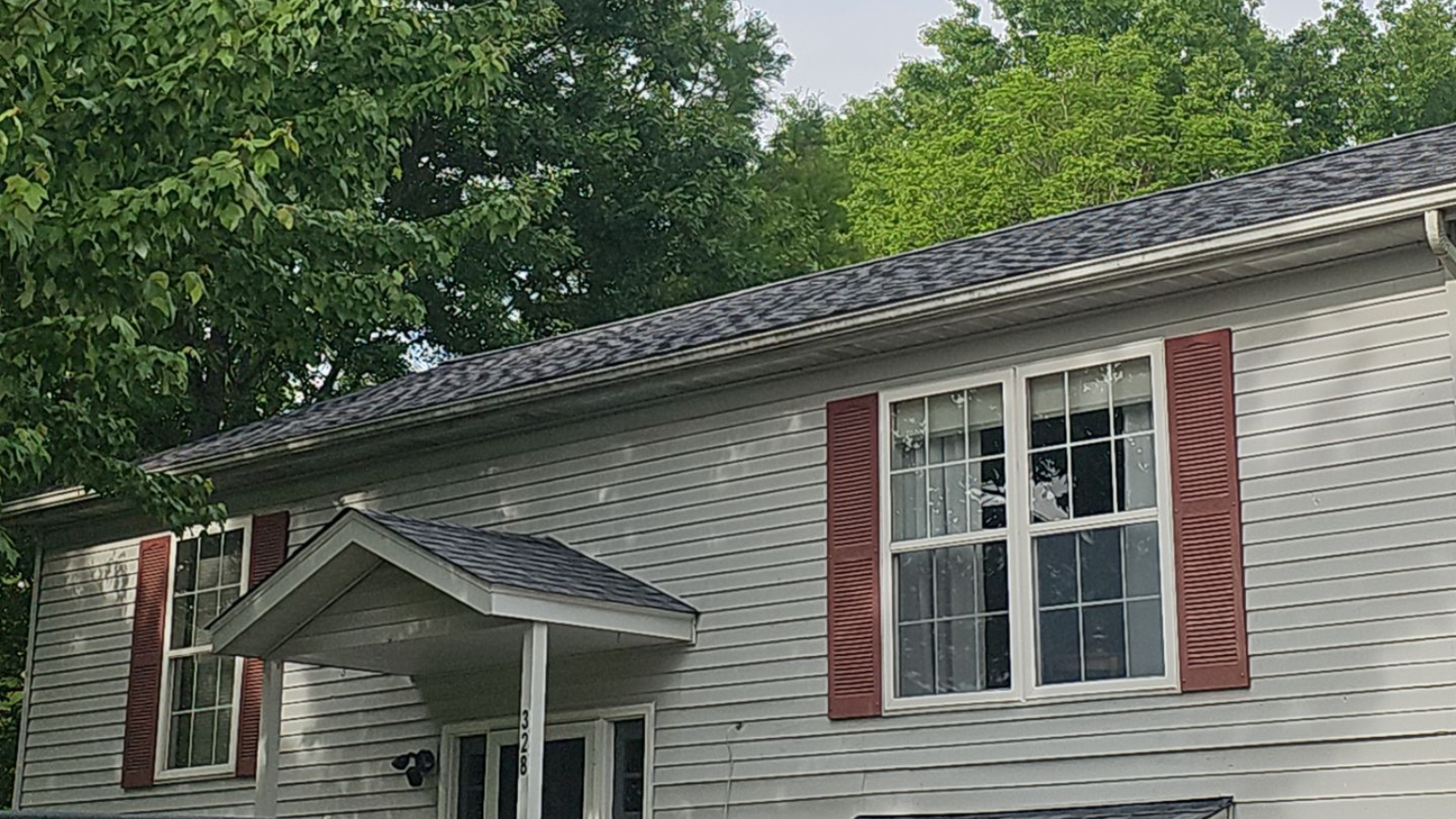
Your roof might look flawless from the curb, but critical signs of wear and tear often hide indoors. The ceiling and the space directly above it can reveal early warnings that your roofing system is under stress. From water rings on drywall to damp thermal barriers, these interior clues point to exterior problems that are completely invisible from the street.
This is exactly why an attic roof inspection is a non-negotiable part of proactive home maintenance. By examining the underside of your shingles and decking, homeowners can catch minor issues before they escalate into major structural damage.
At Utz Roofing in Villa Ridge, Missouri, we help local homeowners decode these hidden signals. This guide breaks down the semantic connection between your home's interior conditions and its exterior defenses, explaining why looking inside is the best way to protect the outside.
Key Takeaways
Early Detection is Crucial: Moisture and leaks typically compromise upper-level framing long before they stain your living space ceilings.
Ventilation Dictates Lifespan: Poor airflow traps rising heat and humidity, leading to wood rot, mold, and premature shingle degradation.
Storm Damage Hides Indoors: High winds and hail can break the watertight seal of your roof deck, making post-storm interior checks essential.
Energy Efficiency Starts at the Top: Damaged insulation and air leaks force your HVAC system into overdrive, directly inflating your utility bills.
Why Evaluating the Attic is Key to Understanding Roof Health
The uppermost level of your home serves as the frontline defense against the elements. A comprehensive roof and attic inspection provides a 360-degree view of your property’s structural health.
When rainwater bypasses your shingles, it rarely drops straight down. Instead, it travels along the underlayment, rafters, and decking. By assessing this space regularly, you can intercept water intrusion at its origin, effectively preventing small, affordable fixes from snowballing into full-scale replacements.
How Ceiling Stains Indicate Exterior Failures
One of the most obvious indicators of a compromised barrier is a stain on your interior ceiling. These blemishes often manifest as yellow discoloration, expanding water rings, or dark patches in the corners of rooms. Even if it hasn't rained in days and no active dripping is visible, a stain proves that moisture breached the barrier at least once.
A thorough interior assessment helps determine whether the blemish was caused by a localized leak, failing pipe boots, or ambient condensation. Because these stains signify active material degradation, they require immediate attention from a professional roofing repair service.
Identifying Water Intrusion and Tracing Leaks
Water intrusion is the primary catalyst for severe property damage. Breaches typically originate from missing shingles, cracked chimney flashing, or deteriorated sealant. Once water penetrates the outer layer, it pools on the plywood decking and soaks into structural joists.
Wet insulation loses its "R-value" (the standard measurement of thermal resistance, as defined by the U.S. Department of Energy) and becomes a breeding ground for bacteria. Identifying and replacing compromised thermal barriers early helps maintain a comfortable indoor climate and keeps your energy expenditures predictable.
Insulation Problems and Thermal Compromise
Insulation does more than keep you warm; it regulates the overall climate of your home. During a routine check, professionals look for signs of compression, uneven distribution, or moisture saturation in the fiberglass or cellulose.
Wet insulation loses its "R-value" (its ability to resist heat flow) and becomes a breeding ground for bacteria. Identifying and replacing compromised thermal barriers early helps maintain a comfortable indoor climate and keeps your energy expenditures predictable.
Condensation and Moisture Buildup
Not all moisture originates from a storm. Condensation is a hidden threat that occurs when warm, humid air from your living space (generated by cooking, showering, and heating) rises and collides with the cold underside of the roof deck in winter.
This creates water droplets that "rain" back down onto your insulation. Distinguishing between a genuine leak and severe condensation is critical; fixing a leak won't stop condensation, and vice versa.
The Role of Proper Airflow and Ventilation
Proper airflow is the lungs of your home. Without proper attic ventilation—typically achieved through a balanced system of soffit intake vents and ridge exhaust vents—heat and moisture become permanently trapped.
In the summer, a poorly ventilated space can reach 150°F, essentially baking your asphalt shingles from the inside out and drastically shortening their lifespan. In the winter, trapped moisture leads to frost buildup on the decking.
Detecting Mold Growth and Air Quality Risks
Fungi thrive in dark, stagnant, and damp environments, making a poorly maintained upper level incredibly vulnerable. Professionals inspect the wooden trusses, sheathing, and insulation for dark spotting, white powdery growth, or a distinct musty odor.
Because attic air frequently circulates back into the main living areas, addressing mold is vital for indoor air quality. Managing this requires fixing the moisture source first, aligning with authoritative health and safety standards.
Wood Damage and Structural Integrity
Your home's framing is primarily timber. When exposed to chronic dampness, plywood decking and 2x4 rafters will inevitably warp, delaminate, and rot. This compromises the load-bearing capacity of the entire structure. Spotting soft spots or buckling wood from the inside allows for targeted reinforcement before the exterior begins to visibly sag.
What an Interior Evaluation Can Reveal About Your Home
Signs of Subpar Workmanship
Improper installation can lead to systemic failures that look perfectly normal from the driveway. During a detailed roof inspection, attic framing and the underside of the decking are closely scrutinized to identify cut corners. Missing drip edges, misaligned vents, or nails that completely missed the rafters (known as "shiners") are obvious red flags that lead to premature system failure.
Post-Storm Damage Assessment
Severe weather events like microbursts and hail inflict damage that isn't always obvious. High winds can lift shingles just enough to break the adhesive seal, allowing wind-driven rain to enter, even if the shingles settle back down. An interior assessment after a major storm uncovers hidden moisture trails and fractured decking that exterior visual checks often miss, ensuring you have the evidence needed for a storm damage restoration insurance claim.
Auditing Your Home's Energy Performance
The condition of your upper level directly dictates your HVAC system's workload. Scheduling a dedicated roof and attic inspection for efficiency pinpoints exact areas where your home is bleeding energy. By identifying gaps around recessed lighting, unsealed attic hatches, or insufficient insulation depths, you can make targeted upgrades that dramatically lower your carbon footprint and prep your home for an energy-efficient roof replacement down the line.
Common Warning Signs to Look For
If you are poking your head up the hatch, watch out for these semantic indicators of failure:
"Starry Night" Effect: Visible daylight piercing through the roof boards or near the chimney.
Rusty Hardware: Rusted roofing nails protruding through the decking indicate chronic high humidity.
Pancake Insulation: Insulation that looks crushed or matted down has likely been repeatedly soaked.
Musty Odors: A smell resembling a damp basement signifies active microbial growth.
Dark Stains on Wood: Black or gray streaking along the rafters tracing downward.
The Value of Professional Expertise
While a DIY visual check is a great first step, professional roofing contractors bring trained eyes and specialized tools (like thermal imaging cameras and moisture meters) to the table. They don't just identify that there is a problem; they diagnose the precise mechanism of the failure.
At Utz Roofing, our evaluations go beyond the surface. We bridge the gap between exterior wear and interior symptoms, ensuring your home's entire envelope is functioning synchronously to withstand harsh Missouri weather.
Frequently Asked Questions (FAQs)
What exactly is examined when assessing the attic?
A proper evaluation involves checking the structural integrity of the rafters and trusses, measuring the depth and condition of the thermal insulation, verifying that intake and exhaust vents are unblocked, and scanning the decking for water stains, mold, or rust.
How often should I have this space checked?
It is best practice to perform an interior and exterior assessment annually, ideally in the fall, to prepare for winter ice and snow. Immediate evaluations are required after severe hail, high winds, or the sudden appearance of drywall stains.
Can checking the attic really lower my electric bill?
Absolutely. A roof and attic inspection for efficiency reveals where conditioned air is escaping your living space. By sealing bypasses and upgrading insulation, your HVAC system won't have to cycle as frequently, directly lowering your monthly energy costs.
Schedule Your Assessment With Utz Roofing
Your home's interior holds the key to its exterior longevity. Ignoring ceiling blemishes, sudden temperature fluctuations, or a musty upper level is a gamble with your property's structural integrity.
Whether you are trying to solve a mysterious leak, recover from a recent storm, or simply audit your home's thermal efficiency, our team in Villa Ridge is ready to help. Contact Utz Roofing today to schedule a comprehensive attic roof inspection and secure your peace of mind.